
What players say
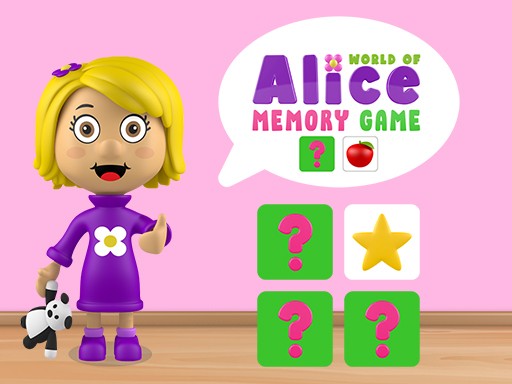
This card matching activity stands out for its gentle approach to cognitive development. The bright, storybook-style illustrations capture children's attention without overwhelming them, and the simple tap-to-flip mechanics are easy for even the youngest players to master. Each successful match provides a small burst of positive reinforcement, encouraging kids to continue. The lack of timers or penalties means children can play at their own pace, which is ideal for building patience and concentration. While the core gameplay is straightforward, the random card placement ensures good replay value. It's a solid choice for parents seeking a constructive, screen-based activity that supports early learning.
About this game
Matching Mechanics & Learning Flow
At its core, this game presents a grid of face-down cards, each decorated with a unique picture. Players tap a card to reveal its image, then select a second card to see if it forms a matching pair. When two cards show the same picture, they remain visible. If the images differ, both cards flip back after a short pause. The round ends when every pair has been uncovered. This simple loop encourages children to pay close attention to each card's position and artwork, gradually improving their visual memory and attention span. The lack of timers or penalties means kids can think at their own speed, reducing frustration and promoting a relaxed learning environment.
Visual Style & Child-Friendly Design
The game uses bright, friendly illustrations with a storybook feel. Cards feature whimsical characters and objects that appeal to young audiences without being overstimulating. Large, clearly defined shapes and high-contrast colors help even toddlers distinguish between images. The interface avoids cluttered menus or complex icons. Buttons are oversized and labeled with simple symbols, allowing non-readers to navigate with minimal adult help. Positive feedback appears after each successful match, such as a gentle animation or a cheerful sound, which reinforces progress without causing distraction. This thoughtful design makes the game suitable for children aged three and up.
Building Skills Through Play
Regular sessions with this matching activity can strengthen several areas of early development. Visual memory improves as children learn to recall where specific cards are located. Logical thinking comes into play when they plan which card to turn next based on previous reveals. The game also encourages patience and focus, as rushing often leads to mismatches. For parents and educators, the game offers a screen-based alternative to physical memory card sets, with the added benefit of automatic shuffling and no pieces to lose. It can be used as a quiet-time activity or a short brain warm-up before more structured lessons.
Adaptable Difficulty & Replay Value
While the base version uses a standard grid size, many implementations of this genre allow players to adjust the number of cards. Starting with fewer pairs helps beginners build confidence, while larger grids provide a satisfying challenge for more experienced players. Because the card positions and images change each round, no two games are exactly alike. This variety keeps the experience fresh and encourages repeated play, which is key to reinforcing memory skills. The cheerful theme and gentle difficulty curve ensure that children remain motivated to improve without feeling pressured.






Player Comments
Sign in to comment
You must be logged in before posting a review or rating.
No account? Create one
No comments yet. Be the first to comment!