
What players say
Canvas Realm Logic Quest stands out for its artistic presentation and thoughtful level design. The hand-painted visuals create a soothing atmosphere that encourages exploration. Puzzles are clever without being frustrating, and the lack of time pressure makes it ideal for players of all ages. The gradual difficulty curve ensures that newcomers can learn at their own pace, while hidden areas add depth for completionists. It is a rare example of a game that is both relaxing and mentally engaging.
About this game
Artistic World Design
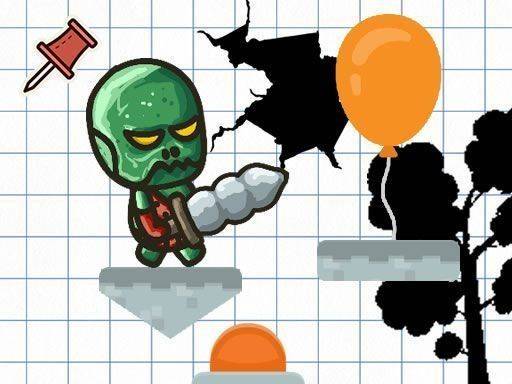
Every stage in Canvas Realm Logic Quest looks like a watercolor painting come to life. The backgrounds feature soft brush strokes, blending colors, and subtle textures that make the environment feel handcrafted. This visual approach sets a relaxed tone, encouraging players to explore each scene carefully. The art style is consistent throughout, with each new area introducing a distinct color palette and theme. Some levels may resemble lush forests, while others take on the appearance of ancient ruins or quiet villages. The attention to detail in the scenery rewards those who take time to look around.
Token Collection Mechanics
The primary objective in each stage is to locate and gather a set number of glowing tokens. These items are placed in visible but sometimes tricky locations. Players must figure out how to reach them by interacting with the environment. This might involve pushing objects, triggering switches, or finding hidden passages. The tokens themselves serve as both a goal and a guide, subtly directing the player through the level. Collecting all tokens in a stage unlocks the exit portal, which leads to the next area. The satisfaction comes from planning a route and executing it without mistakes.
Obstacle Patterns and Strategy
Obstacles in the game are designed to be fair and logical. They include moving barriers, collapsing platforms, and pressure-sensitive tiles. Each obstacle follows a repeating pattern that can be observed and memorized. Success depends on timing and careful observation rather than fast reflexes. The game never introduces an obstacle without giving the player a chance to study it first. This approach makes the experience accessible to younger players while still offering a satisfying challenge for adults. As players progress, obstacle patterns become more complex, requiring multi-step solutions.
Pacing and Difficulty Curve
The difficulty increases gradually across the game. Early levels focus on teaching basic mechanics like jumping and pushing. Mid-game stages combine multiple mechanics, requiring players to think ahead. Later levels may introduce elements like limited visibility or moving platforms that shift the environment. The game never rushes the player, allowing them to restart a level as many times as needed. This gentle curve ensures that players build confidence with each success. The lack of time pressure makes it easy to pause and come back later, which suits family play sessions.
Hidden Areas and Replay Value
Some levels contain optional hidden areas that are not required to progress. These spots often hold bonus tokens or cosmetic rewards that change the appearance of the player character. Finding these secrets requires careful exploration and sometimes solving an extra puzzle. The game encourages revisiting earlier stages to discover what was missed. This design adds replay value without forcing players to grind. Each hidden area feels like a small reward for curiosity, reinforcing the game's theme of discovery.









Player Comments
Sign in to comment
You must be logged in before posting a review or rating.
No account? Create one
No comments yet. Be the first to comment!