
What players say
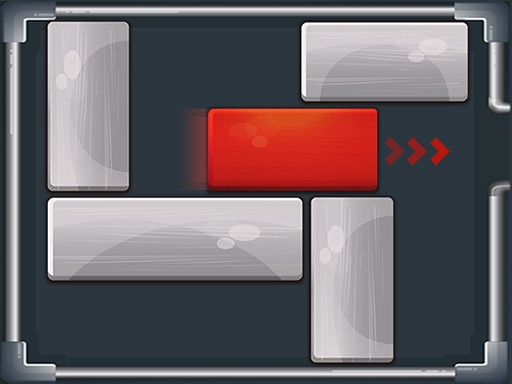
Slide Block Puzzle Challenge sticks to a single, clear mechanic: slide blocks to free a path for the target piece. The absence of time limits makes it approachable for casual players and anyone who prefers thinking through moves. Difficulty rises through denser, unique layouts rather than new rules, which keeps the game easy to learn but still demanding later on. The main limitation is that the input does not detail puzzle count or extra modes, so players wanting variety beyond the core sliding loop should check the store page.
About this game
Core Mechanic and Objective
Slide Block Puzzle Challenge asks one thing of the player: move blocks out of the way so a designated target block can reach the exit. Blocks slide only horizontally or vertically, and each puzzle has a fixed layout, so every move has consequences. The challenge comes from sequencing—shifting one piece often opens space for another, but a careless drag can block a route you will need later. There are no time limits, which means the game rewards patience over reflexes.
Difficulty Curve and Level Design
Early puzzles introduce the sliding mechanic with open layouts and few obstructions. As players progress, the arrangements grow denser, and the target block sits farther from the exit. Because each layout is unique, you cannot rely on memorized solutions; instead, you learn to read the board, spot bottlenecks, and plan several moves ahead. This gradual ramp keeps the experience accessible for beginners while still giving experienced puzzle players something to chew on.
Controls and Accessibility
Dragging a block with a finger or cursor moves it along its allowed axis. The controls are described as intuitive and responsive, so the interface stays out of the way. With no countdown and no penalty for restarting, the game suits short breaks or longer sessions. It is designed for players of all ages who want mental stimulation without stress.
Approach and Improvement
Success comes from analyzing the board before moving. If a layout stalls, restarting and trying a different order of moves often reveals a cleaner path. Regular play builds pattern recognition, which speeds up decision-making over time. The game is easy to learn but offers enough complexity to stay engaging as puzzles get harder.
Compatibility
FAQ
Player Comments
Sign in to comment
You must be logged in before posting a review or rating.
No comments yet. Be the first to comment!






Editorial Notes